Mauritius
Africa
Mauritius is the name many would mention when asked to picture an iconic tropical paradise. At its core, however, it is a far richer place, inviting you to nurture your sense of wonder and adventure. Once you realise that its pristine beaches are only the beginning, you can venture deeper into dramatic mountains, bustling markets, kaleidoscopic temples and soul-stirring natural landscapes. A destination that rewards curiosity just as much as it invites you to slow down.
One could easily imagine Mauritius as the perfect place to unwind—and in many ways, it certainly is. Yet what makes the island truly memorable is not only its paradisiacal beauty, but the way its landscapes naturally encourage exploration. Despite its relatively small size, Mauritius reveals an extraordinary diversity of landscapes and experiences: mornings can be spent hiking volcanic mountains, afternoons swimming in crystalline lagoons, and the following day wandering through colourful temples, sampling local flavours at bustling markets or exploring tea plantations shaped by centuries of cultural exchange.
Curator: Valeria Alborghetti, Editor: Ottavia Mapelli
Intro
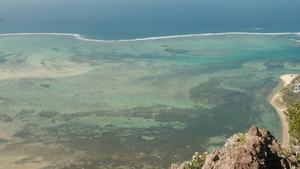
Don't think only of days spent on white-sand beaches—its charm extends far beyond the coastline and gradually finds its way under your skin. Places like Le Morne aren't simply beautiful because of their turquoise waters, but because they immerse you in something much greater. Standing there, surrounded by the mountain, the ocean and an almost untouched landscape, visitors are reminded that Mauritius is as much about perspective as it is about scenery. It is a feeling that lingers long after you've left.
This is a destination for travellers who enjoy experiencing a place from different angles: balancing slow mornings by the sea with scenic hikes, helicopter flights, local food, cultural discoveries and encounters with the island's rich heritage. Mauritius never asks you to choose between adventure, nature and relaxation—it effortlessly offers all three.
Perhaps that is what makes the island so distinctive. Beyond its postcard-perfect landscapes, Mauritius quietly invites visitors to push a little further, remain curious and embrace experiences they might not have expected. In doing so, it often leaves them with something more enduring than beautiful memories: a renewed sense of confidence and wonder.
North
The north is where Mauritius feels most vibrant. Long beaches, lively seaside towns and some of the island's best restaurants coexist with historic landmarks and botanical gardens, making it an ideal area to alternate slow beach days with local discoveries.
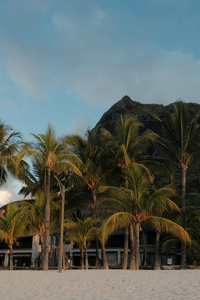
However much one wishes to explore Mauritius' many different sides, it is impossible not to begin with its extraordinary coastline. Here in the north, Mont Choisy offers one of the island's longest stretches of white sand, while Trou aux Biches and La Cuvette are perfect for calm swims. At sunset, Pereybere Beach becomes one of our favourite places to end the day.
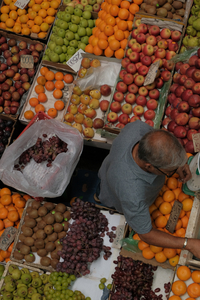
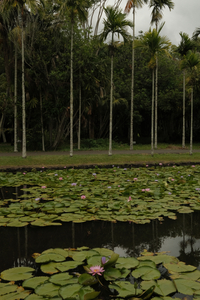
Just inland, Cap Malheureux is one of Mauritius' most iconic landmarks, its small red-roofed church overlooking the ocean and the northern islands. Nearby, Port Louis Market offers a lively introduction to the island's multicultural identity through local produce, spices and handcrafted goods, while the Sir Seewoosagur Ramgoolam Botanical Garden is worth visiting for its giant water lilies and extraordinary collection of tropical plants.
The north is also home to some of the island's most exciting dining experiences. Head to Beach House for a feast of seafood and Mediterranean flavours overlooking the ocean, while Paradise Cove Restaurant is the perfect choice for something a little more refined and international. For brunch, Toast Makers and Sweet & Brunch are local favourites, while Funbos is ideal for coffee and comfort food. Those looking for a more contemporary take on Mauritian cuisine shouldn't miss Creole Smokehouse at LUX* Grand Gaube, whereas Wapalapam City Oasis has become one of our favourite spots for burgers, bowls and cocktails—be sure to reserve in advance.
East
The east reveals Mauritius at a slower pace. Wide lagoons, peaceful beaches and small coastal towns define this side of the island.
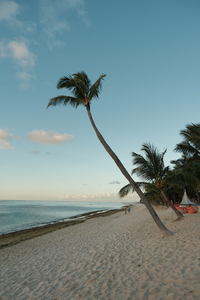
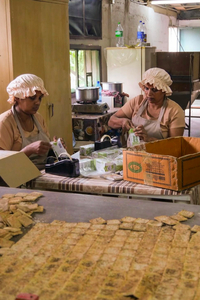
The coastline is dotted with beautiful beaches such as Belle Mare, Blue Bay and Pointe d'Esny, while a day boat trip to Île aux Cerfs remains one of the island's classic experiences. Inland, Domaine de l'Étoile offers hiking, quad biking and zip-lining through lush landscapes, while Mahébourg is well worth exploring for its waterfront, traditional market and relaxed atmosphere. A stop at the Manioc Biscuit Factory offers a fascinating insight into one of Mauritius' oldest culinary traditions, where cassava biscuits are still produced using traditional methods.
For food, we particularly recommend Coin Casse Croute for quick Mauritian street food, Le Bazilic for relaxed local cuisine, and Salut Les Copains, a lively café-restaurant popular with locals. One particularly memorable stop is Le Bistrot, a casual restaurant whose wonderfully welcoming owner makes the experience as much about hospitality as the food itself.
South
The south is where Mauritius feels at its wildest. Dramatic cliffs, dense forests and volcanic landscapes replace the long lagoons of the north—a side of the island that speaks to those seeking adventure and dramatic scenery.
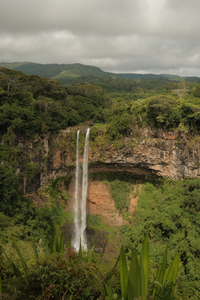
One of Mauritius' defining experiences is climbing Le Morne Brabant, the UNESCO-listed mountain that dominates the peninsula. The hike is physically demanding, but for us it remains one of the most rewarding experiences on the island. We strongly recommend undertaking it with a local guide, who not only ensures a safer ascent but also enriches the experience by sharing the mountain's history, cultural significance and the stories that make it such an important symbol of Mauritius. Nearby, the Seven Coloured Earths, a unique geological formation of naturally coloured sand dunes, together with the spectacular Chamarel Waterfall, offer another unforgettable stop—don't miss the chance to try the fresh sugarcane juice sold nearby.
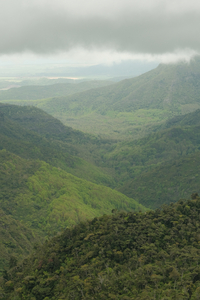
The region is also home to the Rhumerie de Chamarel, where visitors can discover Mauritius' rum-making tradition through guided tastings that remain accessible even to those with little knowledge of rum, and Domaine de Bois Chéri, where tea plantations, vanilla fields, tastings and colonial buildings reveal another side of the island. Nature lovers shouldn't miss Tamarind Falls and Black River Gorges National Park, two of the island's most spectacular hiking areas.
Food here is equally memorable. Le Chamarel Restaurant enjoys one of the best views in Mauritius, making it the perfect stop for a special lunch. For something more authentic, Pabs Palace serves what we consider the island's best roti, one of Mauritius' most beloved street-food classics, while Flamboyant offers traditional Mauritian cuisine served on banana leaves. If spending time around Le Morne, The Beach at LUX Le Morne* is another beautiful option for lunch directly by the sea.
West
The west combines some of Mauritius' most spectacular landscapes with a relaxed surf culture and one of the island's most interesting food scenes. Days here naturally unfold between hours spent chasing waves, soaking up the sun, lingering over long sunsets and ending with casual dinners overlooking the ocean.
The coastline is defined by Le Morne Beach, while nearby surf spots such as One Eye have become iconic among surfers. Inland, the landscapes continue through Black River Gorges and the surrounding nature reserves, making the west one of the best areas on the island for outdoor adventures.
For food, we recommend Nomad for its creative cuisine and relaxed atmosphere, Wapalapam Island Eatery for casual island dishes in an open-air setting, and Sketch for coffee or brunch. Le Bénitier is a favourite for fresh seafood and Creole cooking, while The Chaser serves what we consider the island's best seafood noodles—very spicy, but absolutely worth trying. Those craving something different shouldn't miss Ousaporn Thai Restaurant, a simple but excellent address for authentic Thai cuisine.