Kanazawa
Japan
Comparing Kanazawa to other Japanese cities would mean doing it a disservice: this gem of understated elegance, set between the Sea of Japan and the mountains of central Honshu, has a distinct personality that requires its own definition. It calls for conscious explorers looking for a more intimate side of Japan and a genuine slow-living atmosphere—a city of details and picturesque samurai houses rather than skyscrapers and loud wow-factor moments.
Don’t think of it as boring though—it is a place filled with pleasures. The city is famous for the magnificent Kenroku-en, considered one of Japan’s most beautiful gardens, and for museums that aren’t afraid to be bold, such as the 21st Century Museum of Contemporary Art or the D.T. Suzuki Museum. Add to that a lively and surprising food scene, and you have a place where slow living feels less like a trend and more like a genuine way of life.
Curator and Photographer: Filippo Formenti, Editor: Ottavia Mapelli
Culture & Design
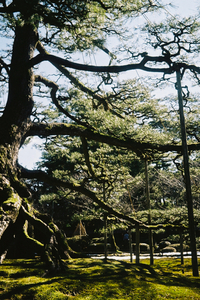
Comfortably suspended between tradition and contemporary flair, the city offers a well-nurtured artistic scene and a series of historical gems. One could possibly start from Kenroku-en, one of Japan’s Three Great Gardens and widely considered one of the country’s most beautiful: its serene landscape is imbued with classical Japanese aesthetics, from little bridges to stone lanterns adorning moss-covered sanctuaries, perfectly arranged ponds, and one of Japan’s oldest fountains. It is a place filled with a precise sense of time and sensoriality—an exploration of time, meditative and well spent.
Another must-see, beautifully representing the soul of the city, is the samurai residence of Nomura-ke, a beautifully preserved and recently restored house surrounded by a refined, essential garden with a 400-year-old myrica tree. The coffered ceilings are made of cypress wood, while the painted sliding fusuma panels were created by the official painter of the Maeda family.
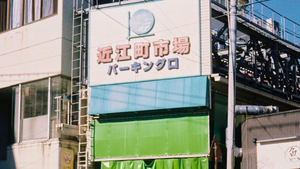
Omicho Market is where the city comes alive. Kanazawa’s historic market has managed to remain authentic and reasonably priced. Less overtly touristy than Tokyo’s Tsukiji Market, it is the perfect spot to enjoy a generous seafood donburi or grab a freshly fried korokke.
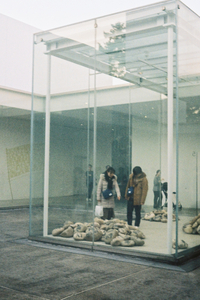
If you lean towards contemporary art, head to the 21st Century Museum. With its iconic architecture, it is worth a visit for the building alone, but it is also loved for its international exhibitions and accessible, playful approach to art.
The D.T. Suzuki Museum was created to celebrate the life and work of philosopher Daisetsu Teitaro Suzuki: more an experience of meditation in space than a traditional museum. Visiting it is a contemplative journey—almost like entering a universe of water, silence and light, in perfect contrast with the pace of the city.
To bring home a piece of Japanese tradition, our suggestion is Kutani Kosen Kiln—the perfect place to discover Kutani porcelain, one of Japan’s most celebrated ceramic traditions, known for vivid colours and intricate patterns inspired by landscapes and nature.
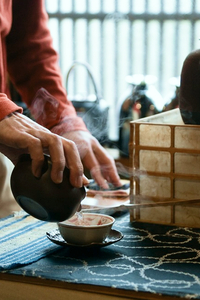
Tea, Coffee & Slow Moments
Kanazawa is a city of corners made to slowly savour traditional flavours and celebrate the joy of rituals. Mikoto Tea House is the place locals would point you to—and perhaps the finest place in the city to experience a true tea ceremony. Located in the historic geisha district, this enchanting place hosts traditional tea ceremonies based around rare Japanese and Taiwanese teas. Kanazawa is often considered Japan’s second city for tea culture and consumption after Kyoto, making it an especially meaningful setting in which to slow down and take part in the ritual. The owner lived in Taiwan with his wife and returned to Japan bringing back a deep knowledge of Taiwanese tea, alongside beautifully sourced Japanese selections.
Sabo Issho is another oasis of calmness, a minimal nest known for hojicha and refined Japanese sweets. A set of different teas is often prepared and presented to guests, to be smelled once they reach the perfect temperature before choosing the one that speaks to you most.
If you have a sweet tooth, Waguri Shiratsuyu is a temple of local desserts. It is especially known for celebrating Shirakuro chestnuts, a local delicacy said to have a naturally low sugar ratio. Taste its refined Mont Blanc, where sweetness is kept to a minimum to let the aroma and flavour of the chestnuts shine.
Finally, OTAS is a contemporary café with excellent coffee, great sandwiches and sweets, and a warm independent spirit. Sit on the tatami to maximise the experience.
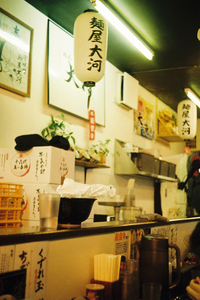
Eat
The city’s food scene calls for endless exploration. Begin with Fuwari, one of Kanazawa’s most beloved food destinations: a sophisticated yet welcoming izakaya with traditional interiors, open-kitchen seating and a daily-changing menu shaped by the freshest seasonal ingredients. Expect excellent sashimi, pristine local fish and a dining experience worth planning for.
Head to Kirari for a modern, sleek and elevated take on conveyor-belt sushi: orders are placed on a tablet and prepared fresh—the perfect address when craving quality sushi in a casual setting.
DIDI is a more unexpected but surprisingly great favourite, chosen by a laid-back crowd gathering here for natural wine, excellent pizza and craft beer.
Back to tradition, Yabuken Soba is the place to go for handmade soba, prepared fresh each morning and served in an oasis of elegant simplicity. It also offers a quietly memorable glimpse into local culture: a small dining room, an elderly lady serving with gentle rhythm, only a handful of soba dishes on the menu, and the silence broken only by the soft sound of Japanese television in the background.
Meanwhile, Ramen Taiga offers the richest miso ramen and an unforgettable tsukemen, well worth the constant queue of people who know exactly what to expect.
Barrier offers one of the most original dining experiences in town—a dark, immersive space theatrically serving dashi-based tasting menus—while Kataori is the perfect spot for high-level Japanese dining rooted in seasonality. The chef personally sources ingredients from mountains and fishing ports, beautifully integrating them into his cuisine: destination dining at its finest.
If you are simply looking for something tasty, honest and beautifully made, head to Toritake—an intimate 12-seat yakitori counter where every skewer is prepared with skill and care.
To end your evening, let yourself be drawn into the warm and intimate atmosphere of Bar Tanpopo—a true classic in town, with no cocktail list and an endless whisky selection.
If You Have More Time
The ideal amount of time to spend in Kanazawa? We suggest three days to properly explore its potential and wonder whether you should move there. But if you are lucky enough to stay longer, head to Kaga Onsen—traditional hot spring towns surrounded by the spotless atmosphere of mountain Japan—or to the Noto Peninsula for wild coastlines, fishing villages and a meditative, out-of-this-world experience.
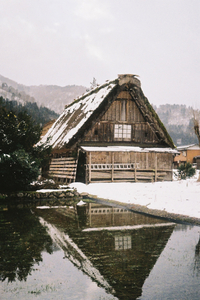
Another rewarding day trip is Shirakawa-go, famous for its steeply pitched wooden farmhouses and UNESCO-listed village setting. Yes, it is popular—but undeniably beautiful, especially in winter or when wrapped in mountain mist.